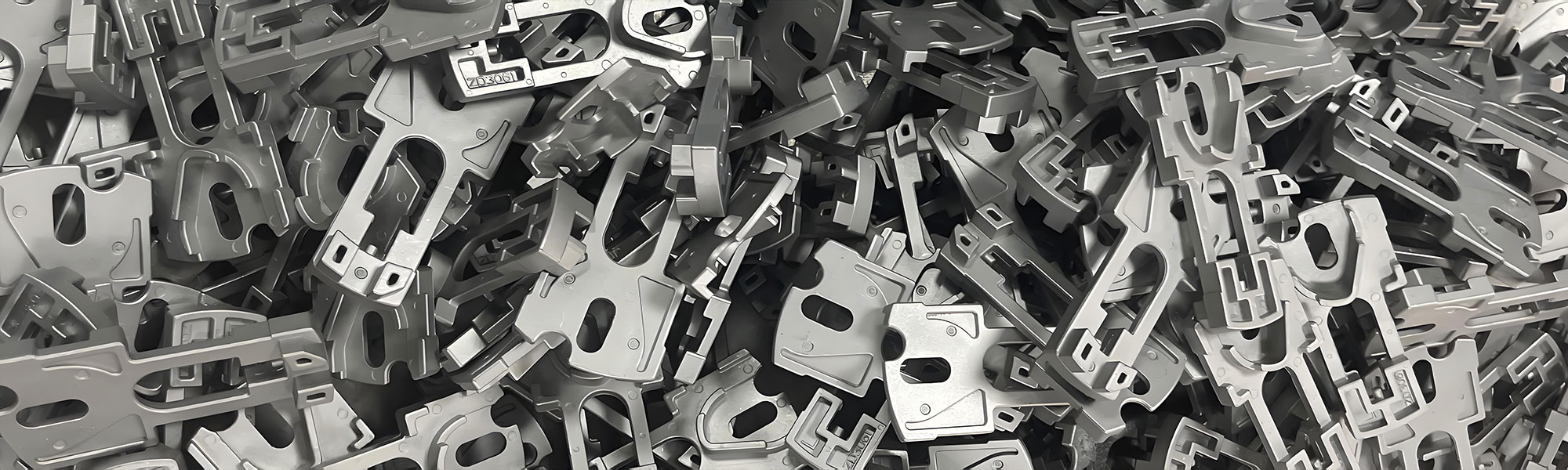
MIM is a revolutionary process that uses a mixture of metal powder and binder to shape solid metal components. This mixture, called feedstock, is solidified through injection molding, enabling high-volume production of complex parts in a single step. After molding, parts undergo debinding and sintering to achieve their final material properties, including density and precision. MIM is ideal for mass-producing precision components with intricate geometries and fine details. The final products find broad applications across industries, making MIM a versatile and efficient manufacturing solution. Discover the potential of MIM for your next project and learn how it enhances production efficiency and product quality.
Raw materialsRaw materials consist of fine metal powder blended with various plastic additives, mixed with thermoplastics in specialized mixers. The compounding process is complete when metal particles in the binder are fully homogeneous. After processing, the material is pelletized. |
 |
|
|
Injection moldingInjection molding machines inject the raw material into molds under high pressure. This allows MIM to combine the design freedom of plastic injection molding with the superior mechanical and thermal properties of metal materials. The result of this process is a "green part," which may be up to 20% larger in dimensions than the final sintered part, depending on the raw material used. |
DebindingDepending on the binder system, debinding can be catalytic, thermal, or solvent-based. The binder is removed from the part, leaving a residual binder content of 2-3% (skeleton). This residual binder ensures the stability of the "brown part" during subsequent processes. |
|
|
|
SinteringIn the final step, components are sintered at temperatures between 1200°C and 1400°C, depending on the material. During this stage, the remaining binder is completely removed. The component undergoes isotropic shrinkage to its final dimensions. The sintered part is fully metallic with a density >97%, exhibiting properties similar to machined components. |
Post-ProcessingMIM parts can undergo heat treatment and secondary machining like any metal part, e.g., to achieve tighter tolerances on critical dimensions. Precision Tech offers extensive post-processing techniques, including hardening, CNC machining, surface plating, and assembly of complete components. |
|
 Русский
 Español
 Deutsch
 日本語
日本語